This platform brings together a body of work exploring learning, cognition, mathematics, and human agency.
Each book and article is part of an ongoing effort to understand how people think, learn, and build clarity in an increasingly complex world.
The opposite of learning is not ignorance. It is fear.
The Three Pillars – Core Framework
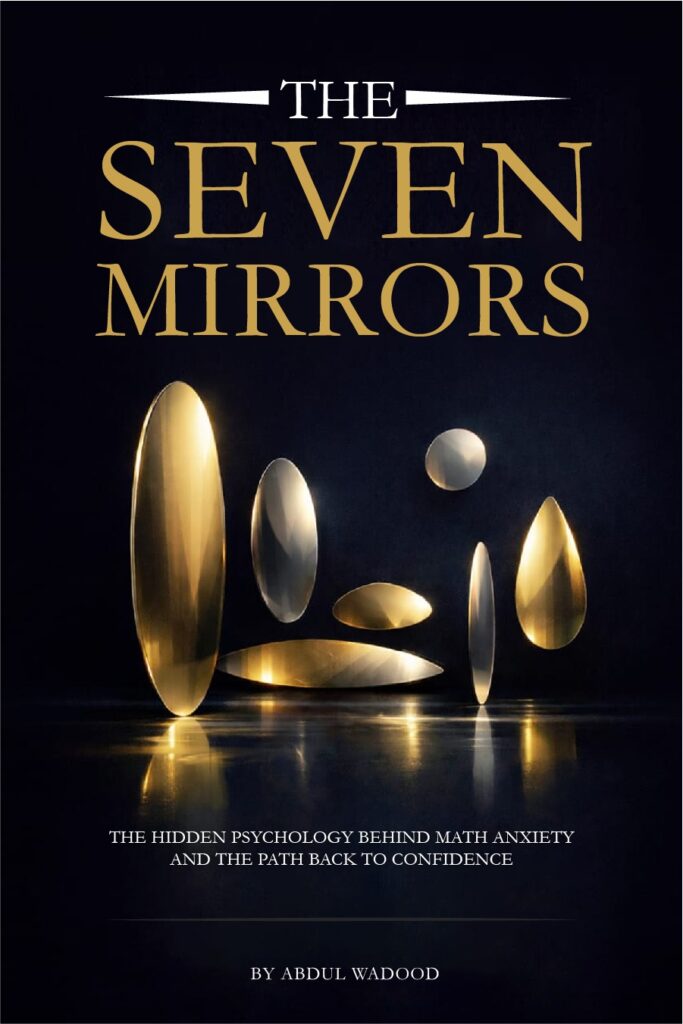
The Seven Mirrors
Internal clarity & self-recognition
The Seven Mirrors explores the hidden psychological patterns that shape how individuals approach learning and mathematics. By recognizing these patterns, learners can rebuild confidence and restore the freedom to think.
The Map
Orientation & responsibility
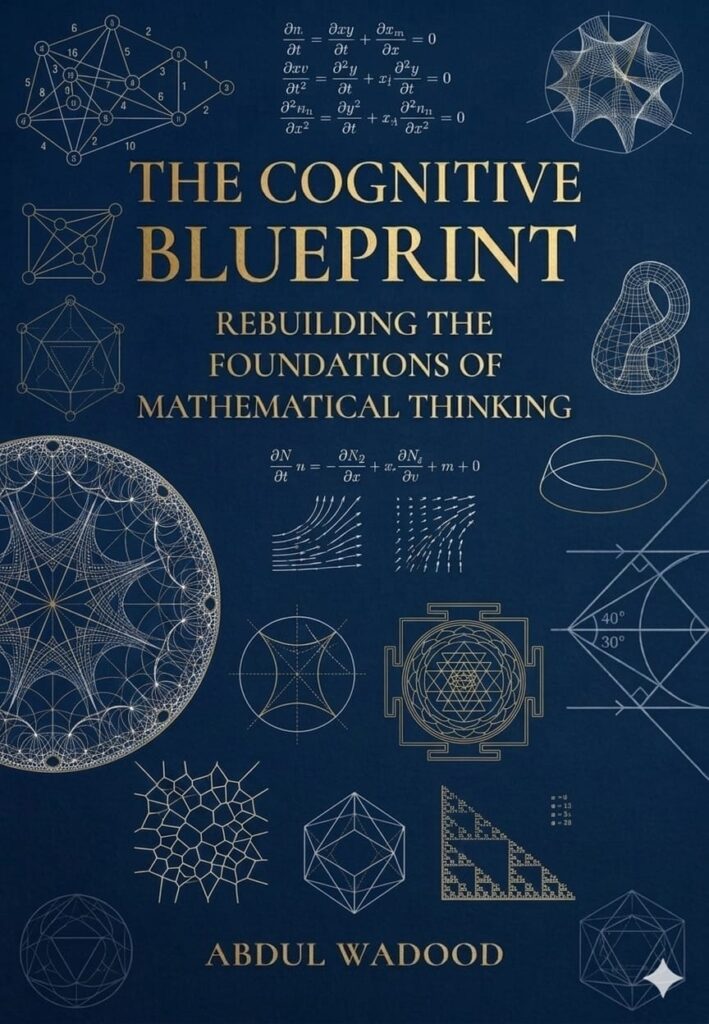
The Map represents the practical frameworks that help learners move forward after understanding their internal barriers. It focuses on rebuilding structure, clarity, and intellectual direction.
Human Premium
The future of human agency
The Human Premium explores the role of human thinking in an age increasingly shaped by artificial intelligence. It examines the qualities that remain uniquely human: judgment, intuition, and deep understanding.
Practice Hub
Free worksheets, built around one idea
The mistake analysis is the product. Every worksheet comes with a precise diagnosis of exactly where students lose marks and why, not just the answer key.
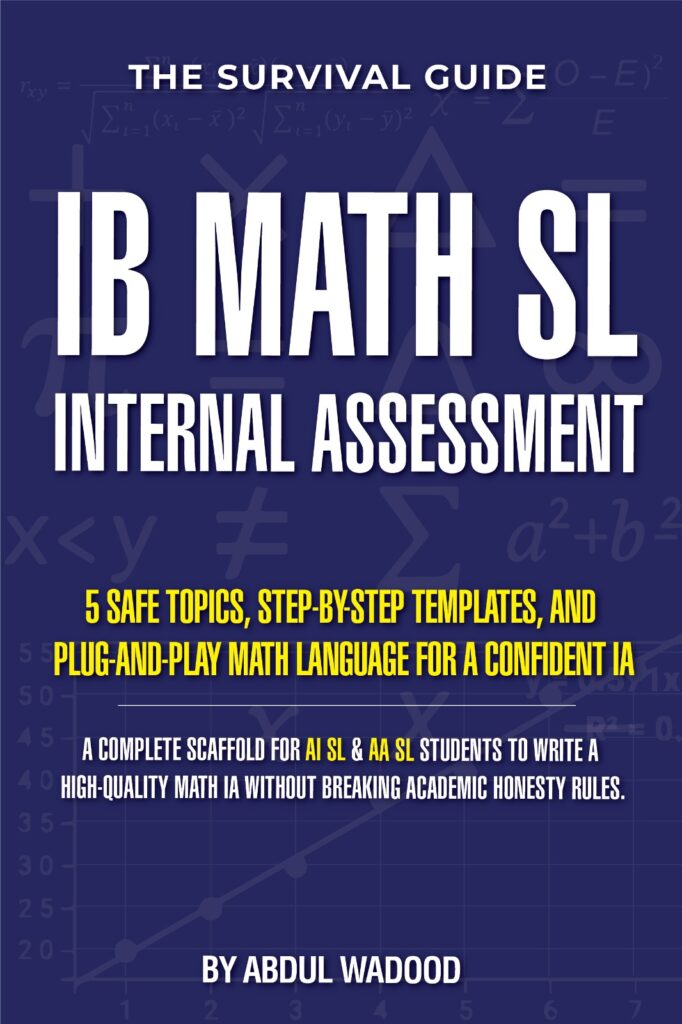
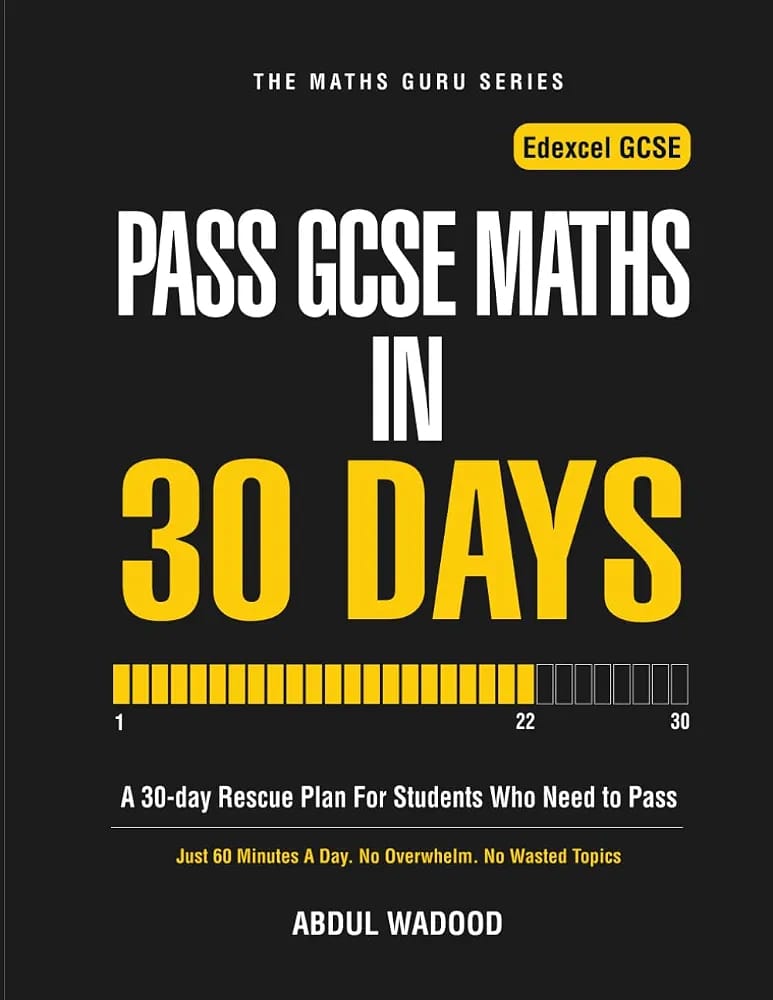
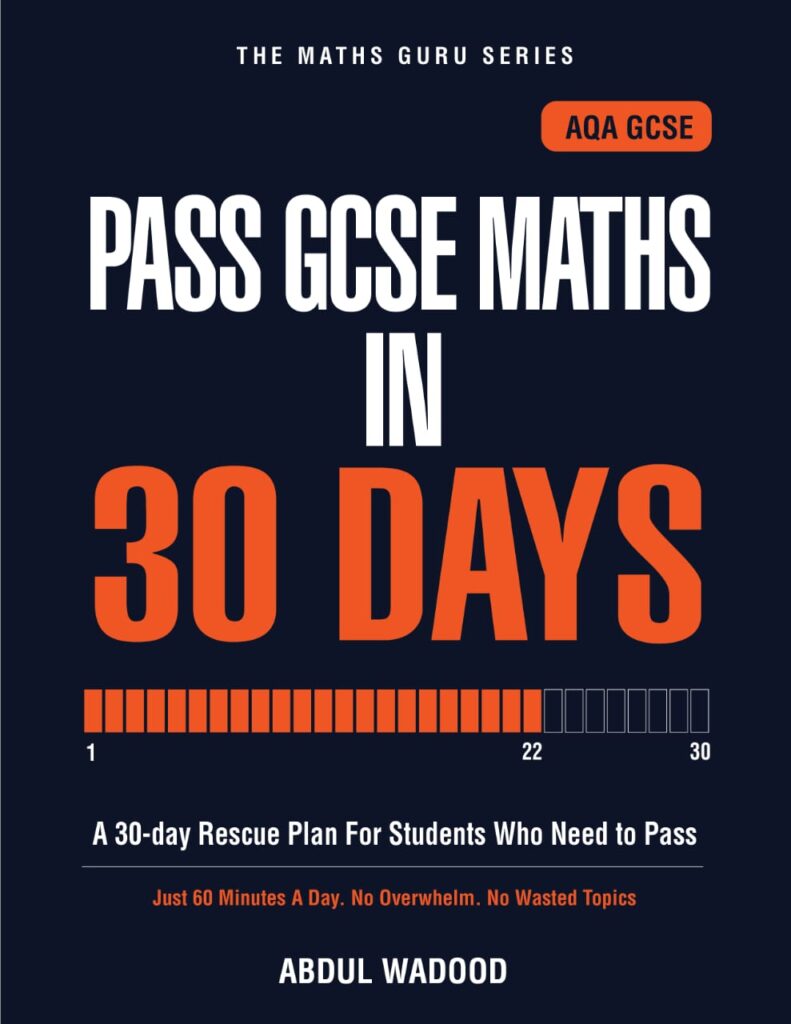
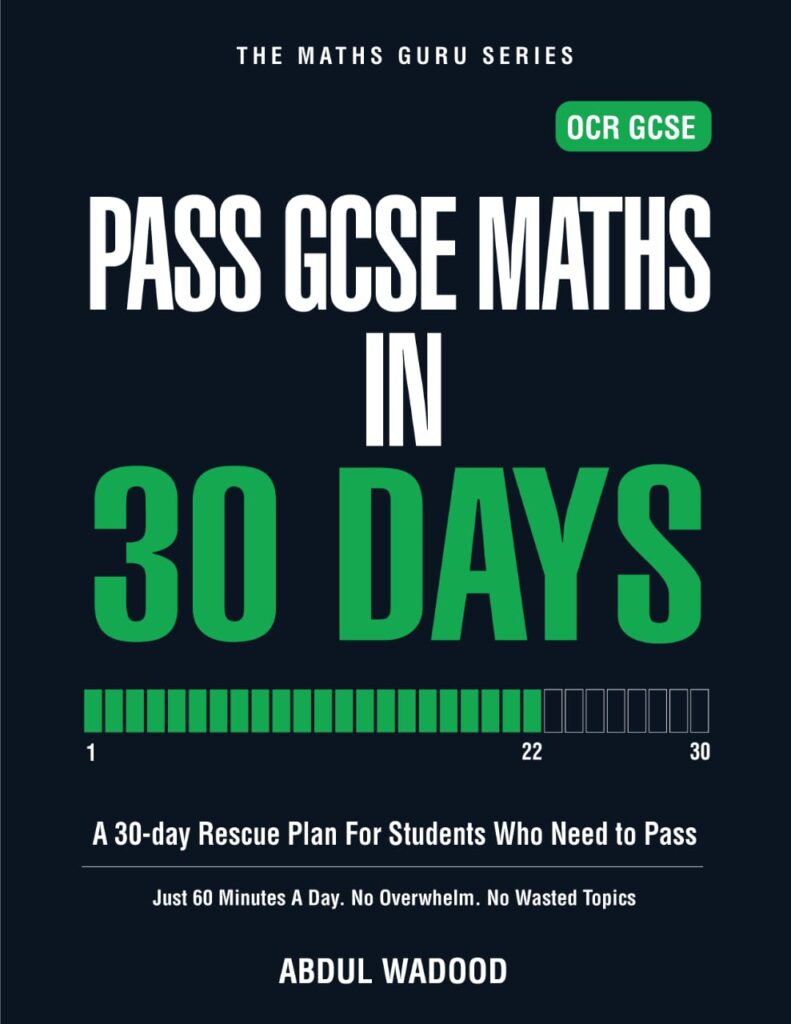
Diagnostic worksheets for IB, Edexcel, Cambridge, OCR, and AQA Mathematics.
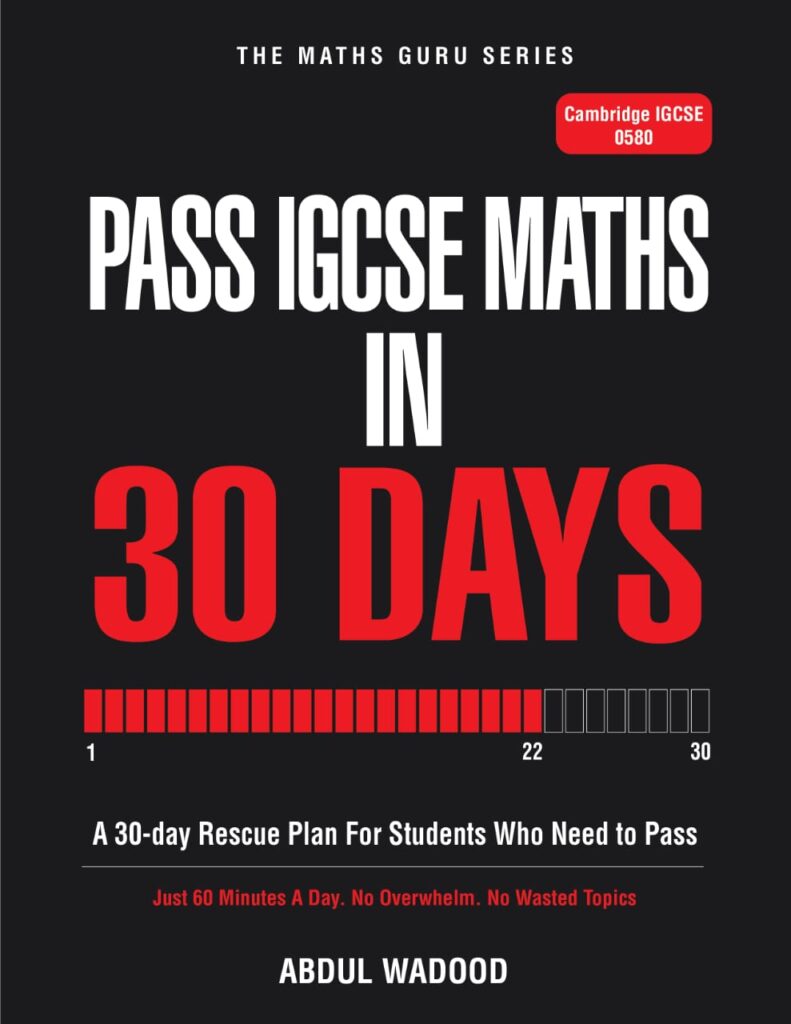
Pass Cambridge IGCSE Maths in 30 Days — Cambridge 0580 Available
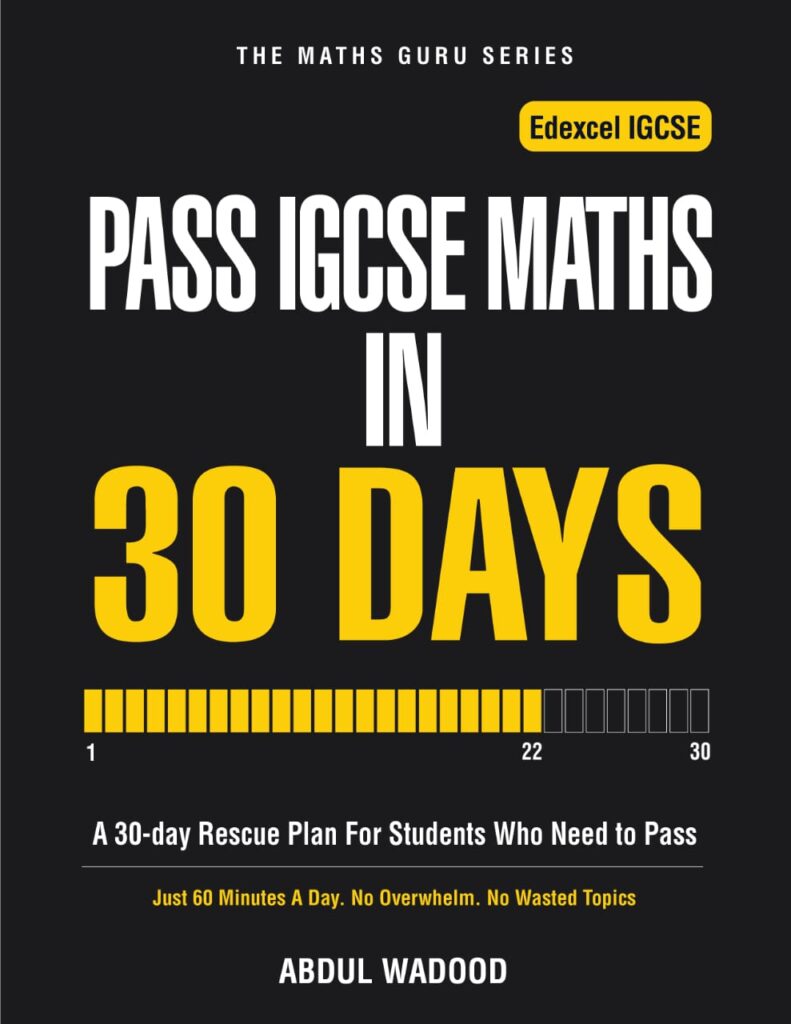
A structured 30-day rescue plan for Cambridge IGCSE Mathematics 0580 students. One clear daily session. 60 minutes a day. No overwhelm. No wasted topics.
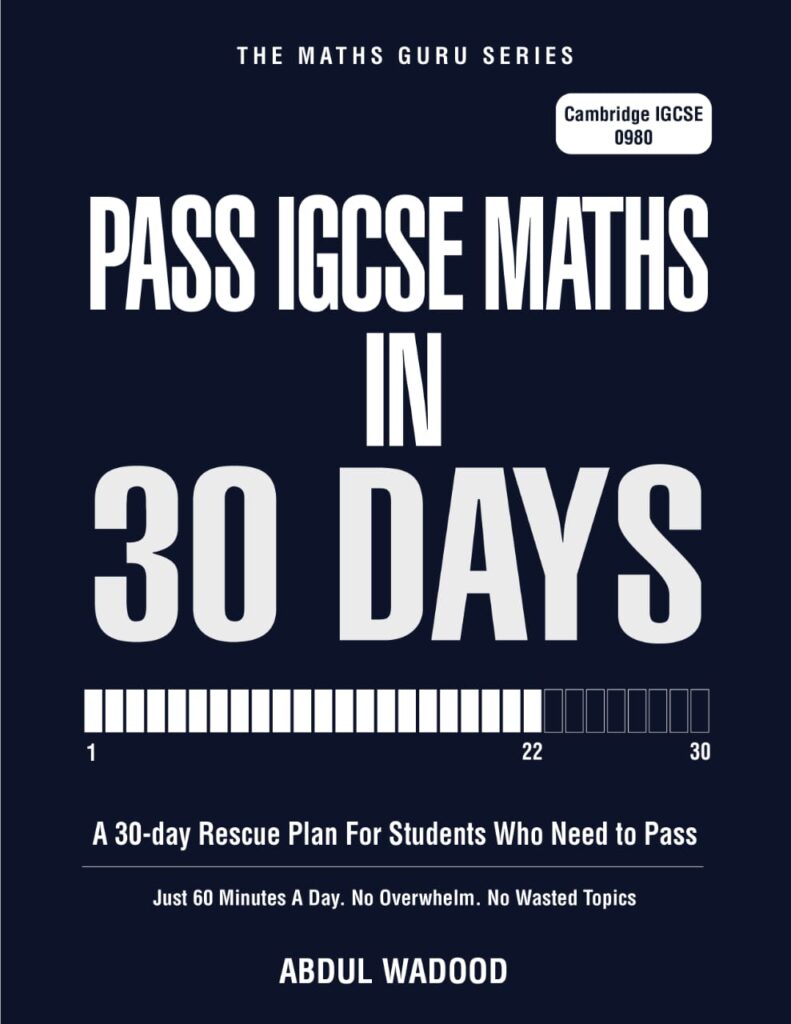
Pass Cambridge IGCSE Maths in 30 Days — Cambridge 0980 Available
A structured 30-day rescue plan for Cambridge IGCSE Mathematics 0980 students. One clear daily session. 60 minutes a day. No overwhelm. No wasted topics.